

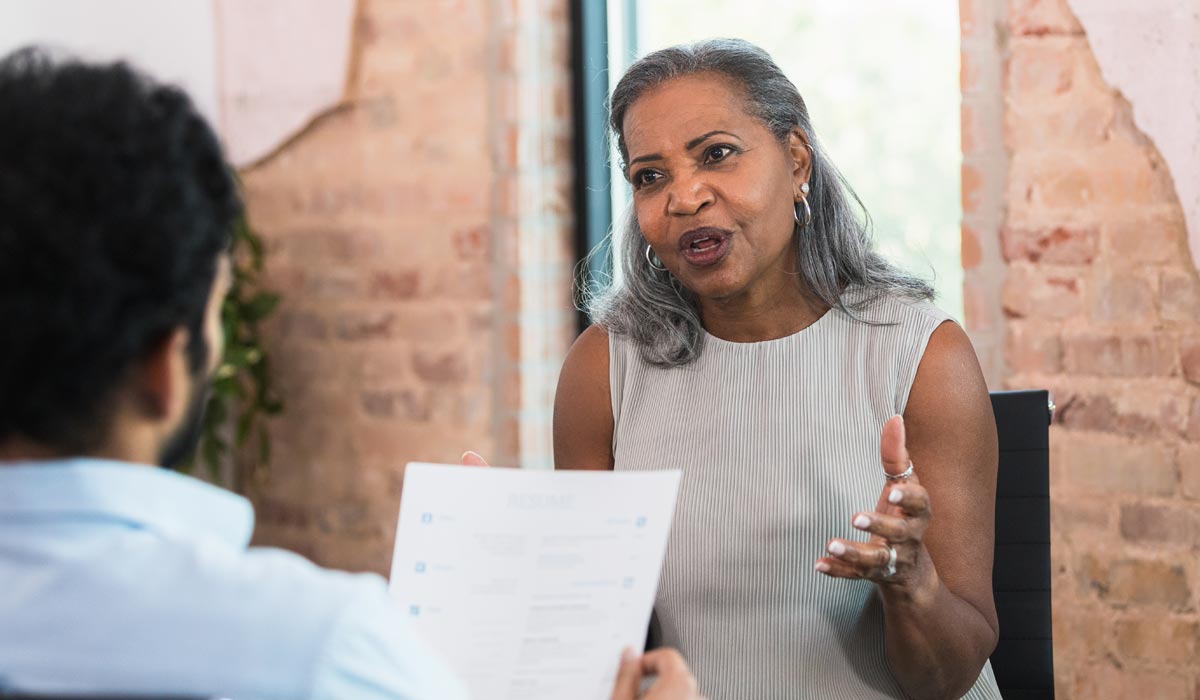
A qualified 58-year-old applicant is passed over for a job because the hiring manager assumes they won’t be an energetic, tech-savvy team member due to their age.
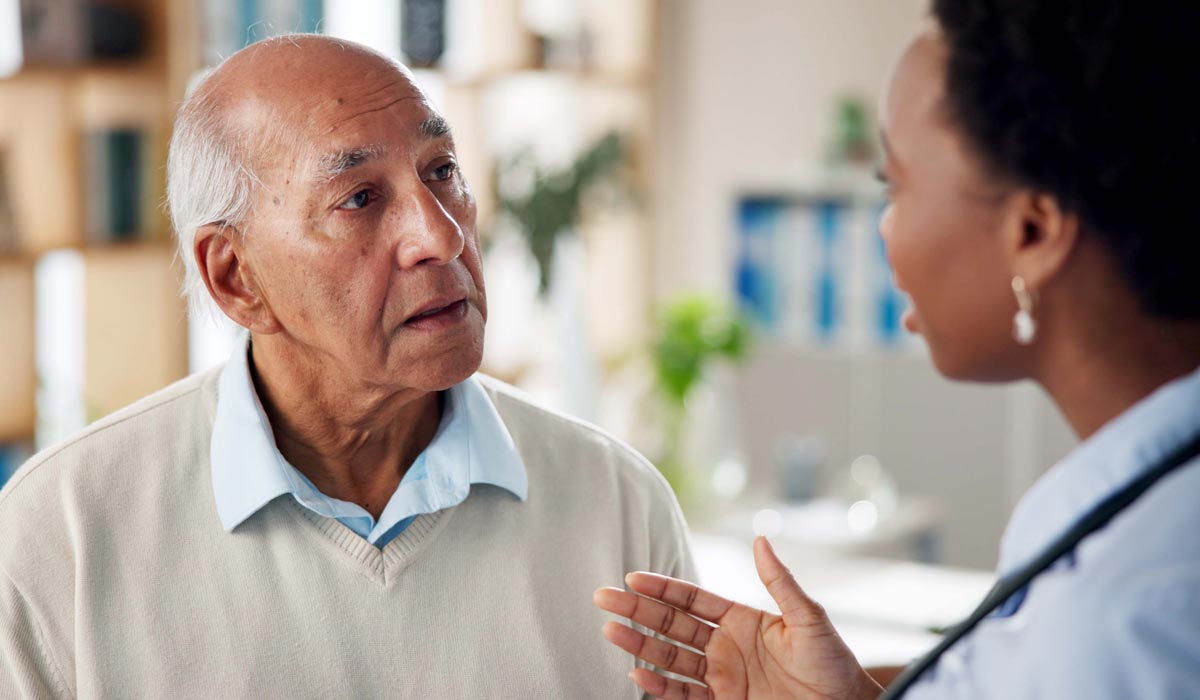
An older adult sees a doctor for back and leg pain, but the doctor dismisses the symptoms instead of investigating further because it’s “just a normal part of getting older.”

An older customer shops for a new cell phone, and the sales associate assumes a smartphone would be too complicated for them to use.
All of these scenarios are examples of ageism—which includes stereotypes, prejudice, and discrimination directed at people based on age. Ageism and age discrimination often overlap; however, age discrimination involves active unfair treatment (like being denied a job), while ageism includes the underlying biases that fuel those specific actions (like the belief all older adults are not good with technology).
Although ageism can affect anyone, the U.S. is seeing an increasing amount of stigma around getting older, and it’s taking a toll on people’s well-being. Fortunately, embracing positive aging can improve health and longevity—but it takes a strong commitment to make this change for the better.
Why is ageism against older adults a major issue in the u.s.?
Aging is a period of continued growth, resilience, adaptability, and purpose rather than one of inevitable decline. It’s about acknowledging and celebrating the richness of life that persists despite—and often because of—the challenges that getting older brings. The cultural mindset in the U.S. is one that hyper-values youth—which can be seen in advertising, on social media, in television and movies, and more—and can heavily influence how older adults view their changing bodies and minds.
Society frequently associates aging with frailty, decline, and irrelevance. These narratives install fear and often reduce self-worth in older adults. If these beliefs are internalized, it can result in older adults avoiding opportunities due to feeling “too old.” This type of avoidance can often lead to isolation, a decline in mental health, and even a shorter lifespan.
So, what can be done to improve this issue? It starts with adopting positive beliefs about aging that highlight development, wisdom and contribution. Just like negative attitudes, optimistic outlooks can impact core pillars of our society, including public policies, workplace dynamics, and healthcare quality. By understanding what drives these prejudices, we can begin to dismantle them and create environments where older people can truly thrive.
What does ageism and age discrimination look like for older adults? How can it impact their health?
Ageism and age discrimination can happen anywhere—in the workforce, in healthcare, and even in everyday life and activities. It can look like:
- Older workers being pushed out of their industries, passed over for promotions, or denied hiring opportunities because employers falsely assume they lack technological skills or physical stamina. This type of treatment can diminish an older individual’s sense of purpose and strip them of community connections.
- Bias in medical settings, where providers dismiss older adults’ legitimate health concerns as “another normal part of aging.” This dismissal can lead to a lower standard of care, including under-treatment, misdiagnosis, and a lack of preventative care, all of which can worsen chronic conditions and decrease overall quality of life.
- Societal stigma around aging that influences how people treat their elders in everyday environments. This mistreatment can lead to older adults internalizing negative stereotypes about themselves, which can result in a faster regression of physical and cognitive health due to higher rates of depression, anxiety, and social isolation.
How can Positive beliefs on aging increase lifespan?
While there’s still work to be done to reject these damaging views on aging in our society, research shows there are profound medical benefits for those who choose to change their outlook and view aging as the ability to grow and experience new opportunities. According to a study conduct by Dr. Becca Levy at the Yale School of Public Health*, there’s an undeniable link between our mindset on aging and our lifespans. In fact, people who demonstrate positive beliefs on aging have been found to live up to 7.5 years longer than those with negative perceptions.
This shift to a positive aging mindset can reduce stress and allow you to view life as a continuous journey of self-discovery, purpose, and meaning. People with a more positive outlook are also more likely to engage in healthier behaviors, such as staying physically active and socially engaged, eating healthy, trying new things, and exercising their brain regularly. Older adults who live this way are directly supporting their long-term well-being by reframing the aging process from a period of inevitable decline to one of continued development.
How can we respond to negative attitudes toward older people?
Overcoming deep-seated biases about aging starts with our own individual efforts. To do your part, you can begin acknowledging the harm caused by age bias and paying attention to the language you and your loved ones, peers, and colleagues use to describe older adults. From there, try to challenge stereotypical jokes or assumptions in your daily conversations.
You can also cultivate a more uplifting view of your own aging process. This can include:
- Surrounding yourself with diverse age groups
- Engaging in new learning opportunities
- Celebrating big milestones of growing older
- Seeking greater meaning and purpose
Cultivating an optimistic and empowered approach to aging not only helps minimize ageism, but it also enhances your personal health and longevity.
Work with senior living consultants who celebrate aging
If you’re exploring senior living options for yourself or for a family member, Silver Bridges Consulting is here to serve as your trusted guide. As an industry expert with a positive-aging mindset, we support individuals and families throughout the search process and help them find the ideal senior living community, including:
- Independent living
- Assisted living
- Memory care
Contact us today to get started on a seamless, stress-free senior living search.