




















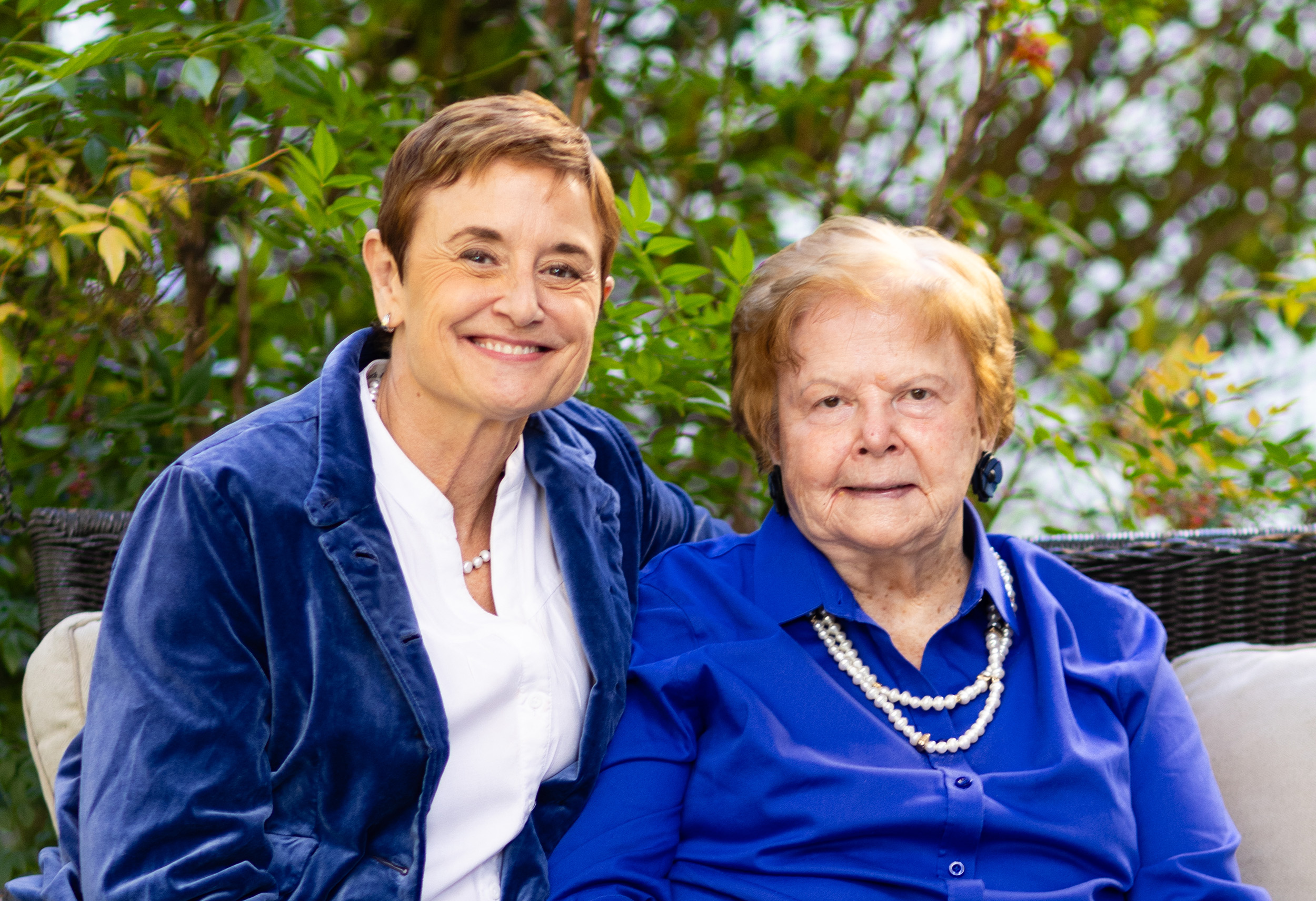
Watching a parent or family member age brings a unique set of challenges and responsibilities. Ensuring their comfort, safety, and happiness becomes a top priority. A well-designed senior care plan is the foundation for providing the best possible support for your aging loved one. This plan acts as a roadmap, helping you navigate the complexities of their evolving needs. A personalized care approach not only addresses health conditions but also significantly improves the quality of life for older adults.
This guide will walk you through the essential steps of creating a comprehensive senior care plan. We will cover how to assess needs, the importance of personalized support, and how to manage long-term care for seniors.
Understanding the Basics of a Senior Care Plan
What exactly is a senior care plan? It is a detailed strategy that outlines how to meet an individual’s specific needs as they age. This document is a central point of reference for family members and caregivers. Its main purpose is to ensure consistent and high-quality care that adapts over time.
A thorough plan addresses several key areas:
- Medical conditions, from chronic illnesses to new health concerns
- Potential cognitive impairment, which can affect memory and decision-making
- Support for activities of daily living, such as assistance with bathing, dressing, and meal preparation
Assessing the Needs of Your Aging Loved One
The first step in building an effective senior care plan is to conduct a thorough assessment. This means taking an honest look at your loved one’s current health status and capabilities. Start by evaluating their physical health conditions.
- Are they managing chronic diseases like diabetes or heart disease?
- Do they have mobility issues that make it hard to move around the house?
Next, consider their daily living needs.
• Are they struggling with tasks like personal hygiene, cooking, or managing medications?
Cognitive impairment is another critical area to assess. Look for signs of memory loss, confusion, or difficulty with problem-solving. Remember, it is essential to be gentle and observant during this process.
Collaborating with other family members can be helpful—each person may have unique insights into your aging loved one’s situation. Including your loved one in these conversations is also vital, provided they are able to participate. Their preferences and desires should be at the heart of their care plan.
The Importance of Personalized Care
Every individual is unique, and their senior care should reflect that. Personalized care moves beyond a one-size-fits-all approach and tailors support to the specific needs and preferences of your family member.
For example, personalized care might mean scheduling assistance for bathing and dressing at a time of day when your loved one feels most comfortable. It could also involve preparing meals that cater to their dietary restrictions and personal tastes. This level of detail shows respect for their independence and dignity. Beyond physical health, personalized care also addresses emotional and social well-being, ensuring your loved one remains connected and engaged.
Long-Term Care Considerations
Planning senior care often involves thinking about long-term options that can adapt to your loved one’s changing needs. It is wise to explore these possibilities before they become urgent so you can make an informed, thoughtful decision without any added pressure or constraints. Many families consider a range of senior living community options and care alternatives—from independent living, assisted living, and memory care, to in-home care for those who choose to age in place. Here’s what you need to know:
- For older adults who are active and independent but wish to simplify daily living, an independent living community provides a social environment with minimal assistance.
- Assisted living is suited for those needing help with daily tasks like bathing, dressing, or medication management, while still maintaining as much independence as possible.
- For aging loved ones with cognitive impairment such as Alzheimer’s disease or dementia, specialized memory care communities offer structured support and security tailored to their needs.
- In-home care is another solution, which can be delivered outside of a senior living community, allowing seniors to receive professional assistance in the comfort of their homes.
By discussing these long-term care options together, your family can select an arrangement that best supports your loved one and also considers the capabilities of the primary family member providing care.
Ensuring Consistent and High-Quality Health Care
Managing the health of an aging loved one can be complex. This is where geriatric care specialists play a vital role. These professionals are experts in the health challenges faced by elderly patients and can help manage intricate medical conditions effectively.
To ensure consistent health care, regular monitoring of your loved one’s health status is essential. Keep detailed records of appointments, medications, and any changes in their condition. This information is invaluable when communicating with health care providers. Regular check-ups and open lines of communication help you adapt the care plan as health conditions evolve, ensuring your loved one always receives the best possible support.
Supporting Family Members in the Journey
Being a caregiver for an aging family member is a rewarding but demanding role. The emotional and physical toll can be significant. It is important for caregivers to have their own support system to avoid burnout.
Many resources are available to help caregivers, such as:
- Support groups, both online and in person, provide a space to share experiences and advice.
- Respite care, which offers temporary relief, allows you to take a break while knowing your loved one is in good hands.
- Guidelines for open communication can help implement shared responsibilities and ensure consistent care without placing the entire burden on one person.
A Better Quality of Life for Older Adults
Ultimately, the goal of any senior care plan is to enhance the quality of life for your aging loved one. A well-rounded plan promotes physical, mental, and social well-being. It can include activities that bring joy and purpose, like hobbies, light exercise, or social outings.
By focusing on all aspects of well-being, you can help your family member lead a happier and more fulfilling life. A thoughtfully created plan makes daily living easier and safer, giving both you and your loved one peace of mind.
Take the First Step Today
Creating a comprehensive senior care plan is a proactive and loving act. It ensures your aging loved one receives the personalized, consistent, and high-quality care they deserve. By taking the time to assess their needs, explore all options, and involve the right professionals, you can build a supportive framework for the years ahead.
Silver Bridges Consulting is the industry expert when it comes to researching senior living options and identifying the ultimate choice for you or your loved one. We support families throughout the process and help them find the ideal senior living community, including:
- Independent Living
- Assisted Living
- Memory Care
Contact us today to get started on a seamless, stress-free senior living search.

